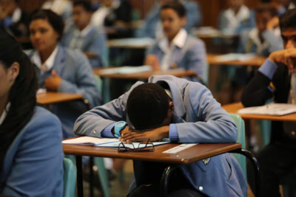
PROJECT: THE HIDDEN DANGERS OF GAMBLING
PLEASE SHARE THIS PUBLIC DOCUMENT
ADDICTION THAT IS NOT VISIBLE -
WHEN THE PURSUIT OF MONEY BECOMES A DESTRUCTIVE CYCLE
Gambling addiction is a behavioural addiction that can develop without obvious physical signs,
making it difficult for family members, colleagues and friends to recognise until serious financial,
emotional and relationship damage has occurred.
Unlike addictions associated with visible physical deterioration, gambling-related harm can remain
concealed behind a person's normal appearance, employment, social activities and daily responsibilities.
In South Africa, gambling takes place through licensed casinos, betting shops, lotteries and online platforms.
The growth of digital gambling has made betting accessible through smartphones, allowing individuals to gamble privately,
at almost any time, without travelling to a physical venue. Although gambling is a legitimate activity when conducted lawfully, it can become harmful when a person loses control over the frequency, duration or financial consequences of their behaviour.
Specialised Security Services (SSS) highlights gambling addiction as a public awareness concern because
its consequences can extend beyond the individual to spouses, children, elderly relatives, employers
and other people who may become financially or emotionally affected.
1. WHY GAMBLING ADDICTION OFTEN GOES UNNOTICED:
A person experiencing gambling problems may continue working, maintaining relationships and fulfilling everyday responsibilities while concealing the extent of their gambling. There may be no immediate physical indication that something is wrong.
The warning signs often appear gradually. A person may begin by placing occasional bets for entertainment, then increase the frequency or amount of their wagers after experiencing losses or believing that a significant win is within reach. As losses accumulate, gambling may become a means of recovering money rather than an occasional recreational activity.
Secrecy can become part of the behaviour. Bank statements may be hidden, explanations for missing money may become inconsistent, and borrowed funds may be described as temporary financial difficulties. Some individuals continue gambling despite mounting debt, conflict at home or repeated unsuccessful attempts to stop.
These behaviours should not automatically be treated as proof of addiction or dishonesty. However, a recurring pattern of concealment, financial instability and loss of control warrants serious attention.
2. THE PSYCHOLOGY BEHIND THE GAMBLING CYCLE:
Gambling can activate the brain's reward and learning systems. Uncertain outcomes, anticipation and occasional wins can reinforce the urge to gamble again. The possibility of winning may remain compelling even when the overall financial outcome is negative.
One of the most dangerous patterns is chasing losses. After losing money, a gambler may increase their bets in an attempt to recover what has been lost. Instead of stopping, the person becomes increasingly invested in the belief that another bet could resolve the financial problem.
This can create a destructive cycle:
A person experiences a loss and feels compelled to recover the money.
Further gambling produces additional losses or occasional wins that encourage continued betting.
Financial pressure increases, leading to borrowing, secrecy or the use of money intended for essential expenses.
Shame, anxiety and desperation may drive the person back to gambling as a temporary escape from the consequences.
A win does not necessarily interrupt this cycle. It may instead reinforce the belief that gambling is a reliable way to make money, even when the long-term outcome demonstrates otherwise.
3. THE FINANCIAL DAMAGE CAN EXTEND TO THE ENTIRE HOUSEHOLD:
Gambling-related harm is not limited to the money a person chooses to wager. It can affect rent or bond payments, food, school fees, medical expenses, savings, retirement provisions and household debt.
Family members may unknowingly absorb the financial consequences by paying overdue accounts, covering unexplained shortfalls or taking out loans to assist the gambler. In some cases, joint savings, pension funds or money entrusted to a family member may be placed at risk.
Financial desperation can also increase vulnerability to fraud, predatory lending and other unlawful conduct. A person seeking to recover gambling losses may become susceptible to investment schemes promising guaranteed returns or may make increasingly risky financial decisions.
Gambling problems do not inevitably lead to criminal conduct, and financial hardship alone is not evidence of a crime. However, where gambling is accompanied by theft, fraud, forgery, the misuse of entrusted funds or unauthorised access to another person's money, the circumstances may require investigation and may carry criminal or civil consequences.
4. ONLINE GAMBLING: ACCESS WITHOUT ACCOUNTABILITY
Online betting platforms allow people to gamble privately, often without the immediate social scrutiny associated with visiting a casino or betting shop. Digital payments, saved card details, promotional offers and rapid betting cycles can make it easier to lose track of how much money has been spent.
The convenience of mobile gambling can also blur the boundary between entertainment and compulsive behaviour. A person may place bets during work breaks, late at night or whenever they experience stress, boredom or financial anxiety.
Advertising, promotional bonuses and claims about potential winnings may contribute to unrealistic expectations. A promotion does not change the underlying risk of losing money, and no betting strategy can guarantee a profit.
Members of the public should be cautious of social media accounts, private messaging groups and individuals who promise guaranteed betting wins, sell supposedly fixed match outcomes or request money in exchange for betting predictions. Such offers may be associated with scams, and payments may be difficult to recover.
5. WARNING SIGNS THAT SHOULD NOT BE IGNORED:
The following patterns may indicate that gambling is becoming harmful:
Repeatedly gambling more money or for longer periods than intended.
Attempting to recover previous losses through additional bets.
Borrowing money, selling possessions or using credit to continue gambling.
Concealing betting activity, debts or financial transactions from loved ones.
Neglecting household responsibilities, work, studies or personal relationships.
Becoming irritable, anxious or restless when trying to reduce or stop gambling.
Continuing despite serious financial losses or repeated family conflict.
Making unsuccessful attempts to stop or repeatedly returning to gambling after promising to quit.
No single sign establishes a diagnosis. The concern lies in the pattern, its persistence and the degree to which gambling is affecting the person's life.
6. THE IMPACT ON MENTAL HEALTH AND FAMILY RELATIONSHIPS:
The consequences of gambling addiction can include anxiety, depression, sleep disturbances, shame, social isolation and severe relationship conflict. Family members may experience uncertainty, anger and a loss of trust, particularly when financial information has been concealed.
Children may be affected when money intended for their needs is lost, household stability deteriorates or conflict becomes frequent. Elderly relatives may be especially vulnerable if they are persuaded to provide repeated financial assistance or if another person gains access to their pension income or savings.
It is important to distinguish between supporting a person and enabling continued harmful behaviour. Paying gambling debts repeatedly without addressing the underlying problem may prolong the cycle. Families can offer practical and emotional support while maintaining clear financial boundaries and seeking professional assistance.
Gambling-related distress can become severe. If a person expresses suicidal thoughts, appears unable to keep themselves safe or faces an immediate mental health crisis, urgent professional assistance is necessary.
7. PRACTICAL STEPS TO REDUCE THE RISK:
Recognising the problem is an important first step, but meaningful intervention also requires practical measures to limit further harm.
FOR INDIVIDUALS CONCERNED ABOUT THEIR GAMBLING:
Acknowledge the financial and personal consequences without minimising repeated losses.
Stop placing bets and seek assistance from a qualified mental health professional or addiction counsellor.
Use available gambling-site self-exclusion tools and ask gambling operators about formal exclusion procedures.
Contact the bank to discuss gambling transaction blocks where available, reduce access to credit and remove saved payment details from betting platforms.
Protect money needed for rent, food, school fees, medical expenses and other essential commitments.
Avoid borrowing money to gamble or attempting to recover losses through additional bets.
Seek support from a trusted person, professional counsellor or recognised gambling-support service.
FOR FAMILIES AND FRIENDS:
Discuss observable behaviour and financial concerns calmly, without humiliation or threats.
Do not provide unrestricted access to household savings, credit facilities or another person's accounts.
Check joint financial commitments and take lawful steps to protect essential funds.
Avoid repeatedly covering gambling debts without a plan to address the underlying behaviour.
Encourage professional treatment and support while maintaining reasonable boundaries.
Where financial abuse, theft or fraud is suspected, preserve relevant records and obtain appropriate legal advice. Suspected criminal conduct should be reported to the relevant authorities rather than investigated through confrontation or unauthorised access to private accounts.
8. WHERE TO SEEK HELP IN SOUTH AFRICA:
People affected by gambling problems should seek assistance through recognised treatment providers, registered mental health professionals and established gambling-support organisations.
The South African Responsible Gambling Foundation (SARGF) provides information and support relating to problem gambling. Its National Responsible Gambling Programme has historically offered a toll-free helpline at 0800 006 008. Members of the public should verify the current availability of the number and services through the foundation's official website before relying on it.
Official website: https://responsiblegambling.org.za/
A person does not have to wait until they are bankrupt, have lost their family or have committed an offence before seeking help. Early intervention can reduce the risk of further harm.
THE SSS POSITION:
Specialised Security Services (SSS) encourages the public to recognise gambling addiction as a serious concern that may remain hidden until the consequences become difficult to manage. Financial losses, secrecy and deteriorating relationships should not automatically be interpreted as evidence of criminal activity, but they should not be ignored when they form part of a persistent pattern.
Families should remain alert to financial exploitation, unauthorised transactions and attempts to obtain money through deception. Where evidence of a crime exists, the matter should be handled through appropriate legal and investigative channels.
Gambling addiction requires informed intervention, accountability and access to appropriate support. Treating the problem solely as a failure of willpower may delay assistance and deepen the damage.
Gambling addiction can remain concealed for months or years while financial losses, emotional distress
and family conflict accumulate. The belief that the next bet will recover previous losses
is one of the behaviours that can keep a person trapped in the cycle.
The public should understand that gambling is not a dependable income strategy, and previous losses
do not make a future win more likely. Recognising warning signs, protecting essential finances
and seeking professional assistance early can prevent further harm.
The objective is not to stigmatise people experiencing gambling problems, but to identify the risk,
protect those affected and encourage intervention before the consequences become more severe.
RELEVANT SSS PROJECTS:
Specialised Security Services invites the public to the Mike Bolhuis Daily Projects WhatsApp Channel.
This channel is important in delivering insights into the latest crime trends, awareness, warnings and the exposure of criminals.
How to Join the WhatsApp Channel:
1. Make sure you have the latest version of WhatsApp on your device.
2. Click on the link below to join the Mike Bolhuis Daily Projects WhatsApp Channel:
3. Follow the prompts to join the channel.
4. Make sure you click on "Follow", then click on the "bell"-icon (🔔)
CONTACT MR MIKE BOLHUIS FOR SAFETY AND SECURITY MEASURES, PROTECTION, OR AN INVESTIGATION IF NEEDED.
ALL INFORMATION RECEIVED WILL BE TREATED IN THE STRICTEST CONFIDENTIALITY AND EVERY IDENTITY WILL BE PROTECTED.
Regards,
Mike Bolhuis
Specialist Investigators into
Serious Violent, Serious Economic Crimes & Serious Cybercrimes
PSIRA Reg. 1590364/421949
Mobile: +27 82 447 6116
E-mail: mike@mikebolhuis.co.za
Fax: 086 585 4924
Follow us on Facebook to view our projects -
EXTREMELY IMPORTANT: All potential clients need to be aware that owing to the nature of our work as specialist investigators there are people who have been caught on the wrong side of the law - who are trying to discredit me - Mike Bolhuis and my organisation Specialised Security Services - to get themselves off the hook. This retaliation happens on social media and creates doubt about our integrity and ability. Doubt created on social media platforms is both unwarranted and untrue. We strongly recommend that you make up your minds concerning me and our organisation only after considering all the factual information - to the exclusion of hearsay and assumptions. Furthermore, you are welcome to address your concerns directly with me should you still be unsatisfied with your conclusions. While the internet provides a lot of valuable information, it is also a platform that distributes a lot of false information. The distribution of false information, fake news, slander and hate speech constitutes a crime that can be prosecuted by law. Your own research discretion and discernment are imperative when choosing what and what not to believe.
STANDARD RULES APPLY: Upon appointment, we require a formal mandate with detailed instructions. Please take note that should you not make use of our services – you may not under any circumstance use my name or the name of my organisation as a means to achieve whatever end.
POPI ACT 4 of 2013 South Africa: Mike Bolhuis' "Specialised Security Services" falls under Section 6 of the act. Read more here: https://mikebh.link/fntdpv
SSS TASK TEAM:

Copyright © 2015- PRESENT | Mike Bolhuis Specialised Security Services | All rights reserved.
Our mailing address is:
Mike Bolhuis Specialised Security Services
PO Box 15075 Lynn East
Pretoria, Gauteng 0039
South Africa
Add us to your address book
THIS PUBLIC DOCUMENT WAS INTENDED TO BE SHARED, PLEASE DO SO.